
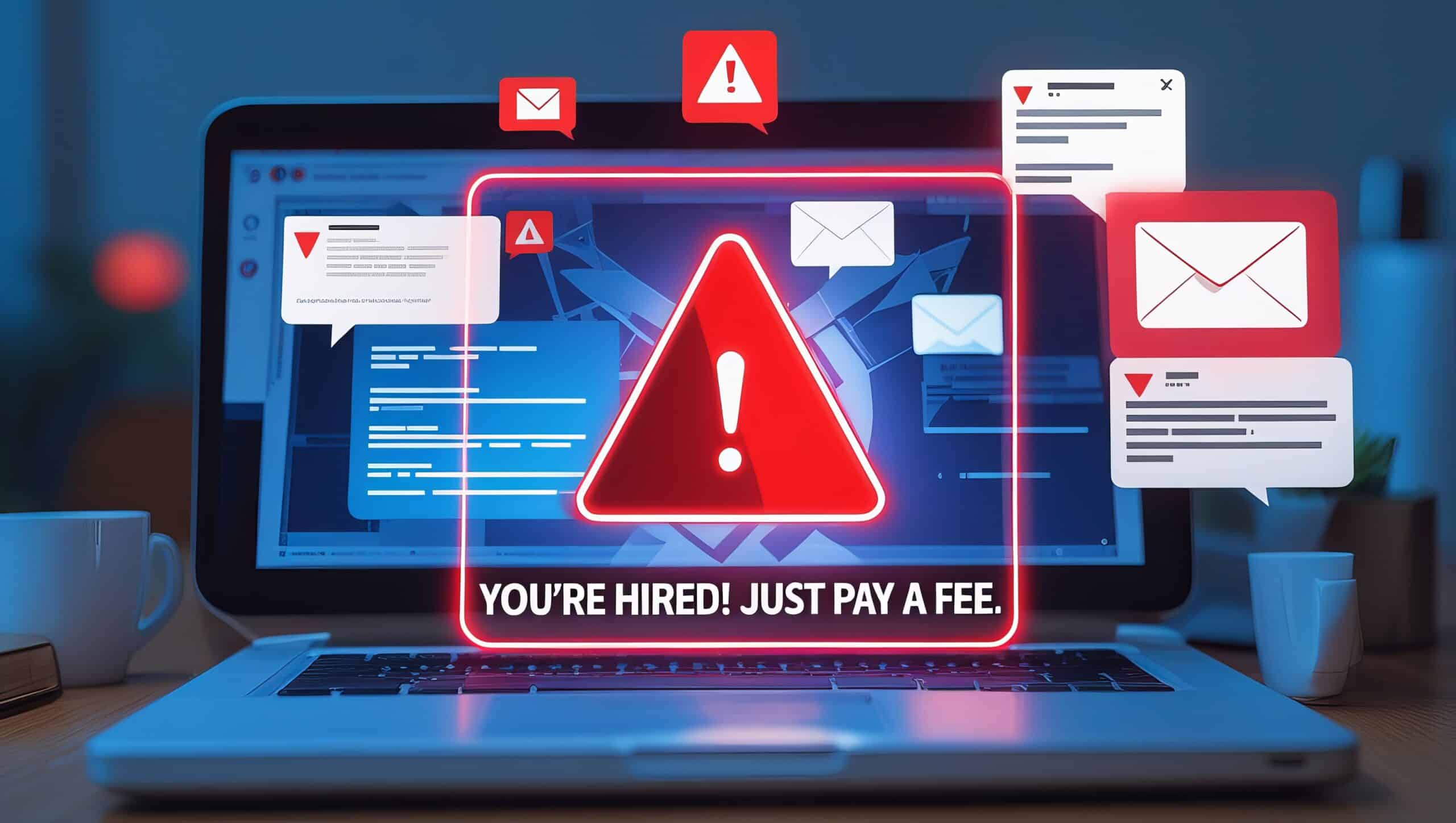
Recruitment fraud isn’t new, but in 2025, it’s getting harder to detect.
The tools scammers use have changed. Instead of clumsy phishing emails, today’s job seekers are fielding LinkedIn messages from polished profiles. They’re being contacted by fake recruiters using real company logos. And in some cases, they’re hearing cloned voices generated by AI.
The rise of deepfake technology and impersonation scams is making headlines for good reason. In July, The Guardian reported that an unknown fraudster used Signal and voice-cloning tools to impersonate U.S. Secretary of State Marco Rubio, targeting both domestic and foreign officials. Just days later, The Washington Post reported a similar scam involving House Intelligence Committee Chairman Rick Crawford and phony messages sent via Telegram targeting current and former members of Congress.
These incidents are part of a growing trend of scams involving impersonation schemes, and the technology isn’t just targeting government agencies and officials. It’s making its way into staffing and recruiting, putting candidates, companies, and firm reputations at risk.
At Capstone IT, we recognize the impact these scams can have. That’s why we’ve taken steps to both raise awareness and reinforce trust at every point of contact.
What Today’s Job Seekers Are Facing
The most common recruitment scams share a few patterns:
- Fake recruiter profiles reaching out through LinkedIn or text, often offering remote or high-paying roles with limited vetting.
- Requests for personal information, such as Social Security numbers, direct deposit forms, or even payments to “secure” equipment or interviews.
- Unverifiable communication channels, like interviews conducted solely over messaging apps or email addresses that don’t match the company’s domain.
These scams are designed to look real, and often succeed because they prey on urgency and familiarity. Job seekers may believe they’re speaking to a legitimate recruiter, only to realize too late that their personal data or money is gone.
How Capstone IT Is Addressing the Threat
We believe awareness is the first and most important line of defense. To help job seekers protect themselves, we’ve published a dedicated Fraud Alert page on our website. It outlines key information, including:
- What types of communication candidates can expect from Capstone IT
- What we will never ask for during an interview process
- How to verify the legitimacy of a recruiter or offer
- How to report suspicious outreach
We encourage candidates to refer to this page if they have any doubts about whether a communication is coming from our team. We also promote this resource in our recruiter outreach and on our social channels to ensure it’s visible when and where it’s needed.
What Responsible Firms Can Do
In a time when impersonation scams are growing more advanced, firms across the industry need to stay proactive. That includes:
- Publishing clear fraud guidance online, linked from job postings and email signatures
- Avoiding interviews conducted solely through messaging apps, and insisting on video or phone verification when needed
- Using secure, verified domains in all email communications
- Educating recruiters to spot red flags in candidate feedback and report concerns immediately
Equally important is transparency. If a scam does occur, notifying affected individuals, sharing what happened, and reinforcing your firm’s secure practices can go a long way toward rebuilding trust.
Looking Ahead
Fraudsters aren’t targeting just one group. They’re targeting everyone in the hiring process. That makes recruitment fraud not just a candidate or a company issue, but an industry-wide concern.
At Capstone IT, we’re committed to doing our part to raise awareness, reinforce safe practices, and stand up for the integrity of the recruiting process. We invite candidates, clients, and peers to do the same.
To learn more or verify any outreach you’ve received, visit our Fraud Alert page.
